
Hormone Pellets vs. Creams: Which HRT Option Is Right for You?
By EaseMD Editorial · Updated Oct 2, 2025

Hormone replacement therapy (HRT) can be delivered in several ways. Two options people often compare are pellets (small implants placed under the skin) and creams (topical preparations applied to the skin). Each has practical benefits and trade-offs around dosing, convenience, cost, and monitoring. This guide from EaseMD explains the differences so you and your clinician can choose a plan that fits your goals and lifestyle.
At a Glance
- Pellets: Long-acting implants placed in clinic; steady release but fixed dose until replaced.
- Creams: At-home daily/near-daily application; flexible titration with good technique and adherence.
- Best choice depends on your symptom profile, preferences, medical history, and monitoring plan.
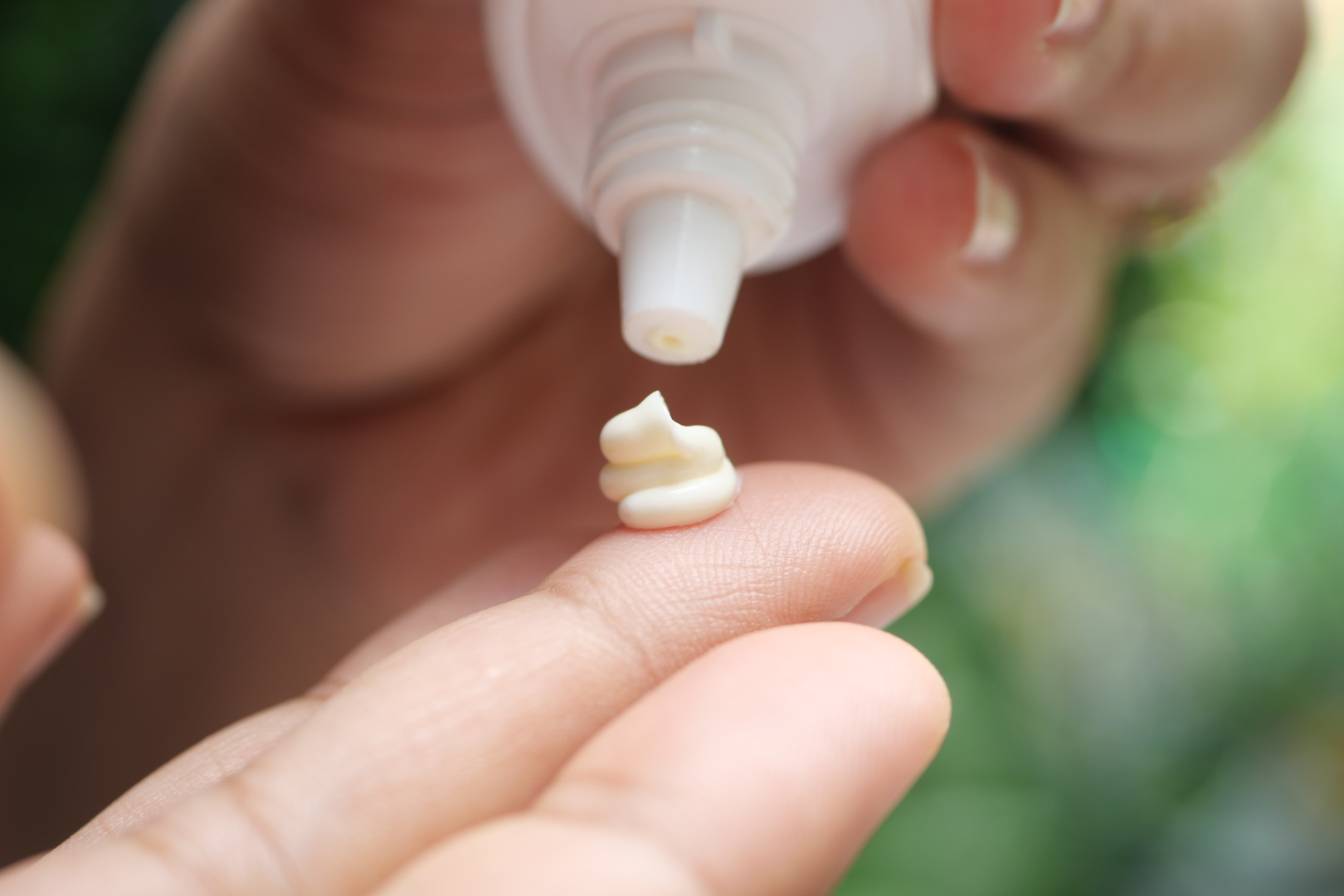
Comparing Menopause Treatment Options
| Feature | Hormone Pellets | Hormone Creams |
|---|---|---|
| How it works | Small implants release hormones steadily for months | Topical application allows dermal absorption daily/near-daily |
| Dose flexibility | Low between-visit flexibility; requires in-clinic change | High flexibility; adjust with clinician guidance |
| Convenience | No daily step; minor procedure every few months | Quick daily routine at home; must remember application |
| Monitoring | Office follow-ups for timing and replacement | Follow-ups for symptom check and dose titration |
| Typical candidates | Prefer long-acting option, comfortable with procedures | Prefer non-invasive option with adjustable dosing |
Pros and Considerations
Pellets
- Steady hormone release; no daily step
- Useful if adherence to topicals is tough
Consider: Fixed dose until replaced; involves a minor procedure; adjustments require an appointment.
Creams
- Flexible dosing and titration
- Non-invasive; done at home
Consider: Requires consistent application; technique matters for absorption.

Estrogen: Pellets vs. Creams
| Aspect | Pellets (Estrogen) | Creams (Estrogen) |
|---|---|---|
| Dosing cadence | Every few months in clinic | Daily / near-daily at home |
| Adjustment speed | Slower (procedure visit) | Faster (dose can be titrated quickly) |
| Typical use cases | Prefers long-acting, steady regimen | Wants flexibility or cautious titration |
| Notes | Monitor timing of replacement and symptom changes | Apply as directed to clean, dry skin; rotate sites |
Progesterone: Pellets vs. Creams
| Aspect | Pellets (Progesterone) | Creams (Progesterone) |
|---|---|---|
| Use case | Select protocols; fixed dose until changed | Common with systemic estrogen to protect uterine lining* |
| Adjustment | Clinic visit required | Titrated based on symptoms/tolerance |
| Notes | Less flexible between visits | *Your clinician will recommend the appropriate form and dose |
Testosterone (When Clinically Indicated)
| Aspect | Pellets | Creams/Gels |
|---|---|---|
| Dosing | Long-acting; fixed until replacement | Adjustable; applied to directed sites |
| Monitoring | Interval labs and visits | Dose titration based on goals/tolerance |
| Notes | Procedure-based adjustments | Avoid transfer to others; wash hands after application |

Not sure which option fits you?
Talk with an EaseMD clinician about symptoms, lifestyle, and monitoring preferences.
Book a ConsultationHow to Choose Between Pellets and Creams
- Preference for long-acting vs. adjustable dosing: pellets offer “set it and forget it”; creams offer easy titration.
- Comfort with procedures: pellets require in-clinic insertion and replacement.
- Adherence: if daily routines are tough, long-acting may help; if you value control, creams may suit you.
- Monitoring plan & history: your clinician will personalize the route and dose for safety and goals.
Choose a path that fits your life
EaseMD clinicians tailor HRT type, dose, and follow-up to your symptoms and preferences.
Get StartedThis article is for general information and does not replace medical advice. Always consult a qualified clinician about your personal health.